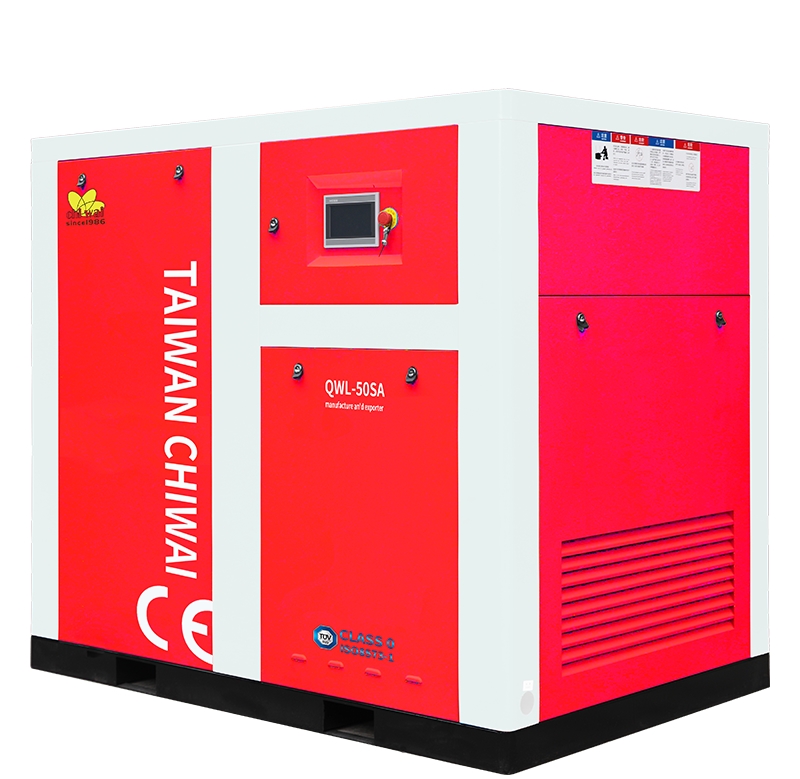
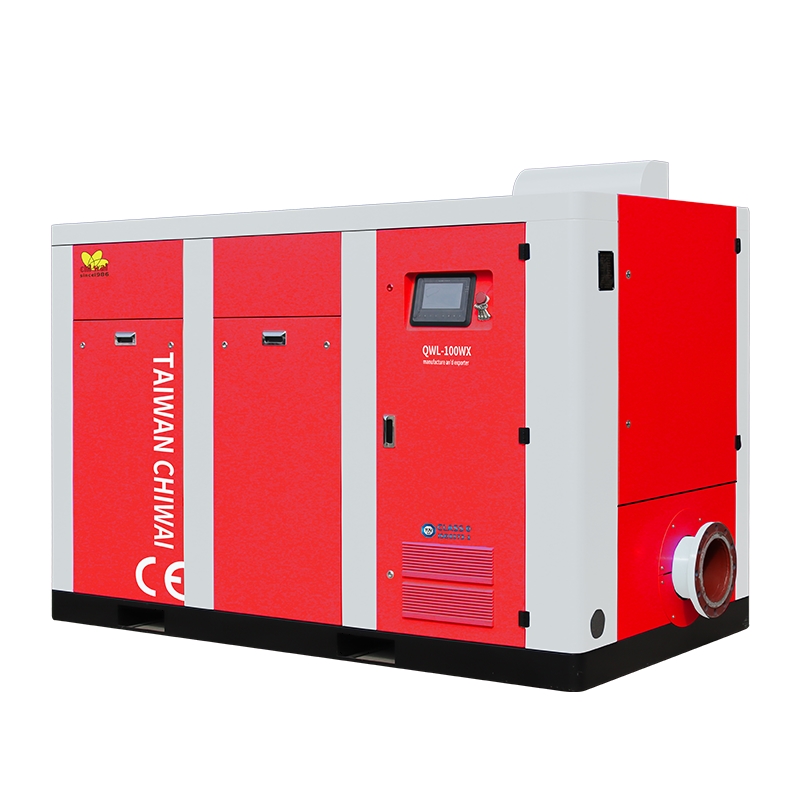
For factories, an air compressor is more than just equipment—it’s a long-term investment. Many enterprises focus on choosing the right model but ignore daily maintenance, which often leads to shortened lifespan, increased energy consumption, and unexpected breakdowns. Proper daily maintenance is crucial to maintain efficient operation of the equipment. Today, we’ll share practical maintenance insights combined with professional advice from QuanWei Machinery, helping factory operators better maintain air compressors.
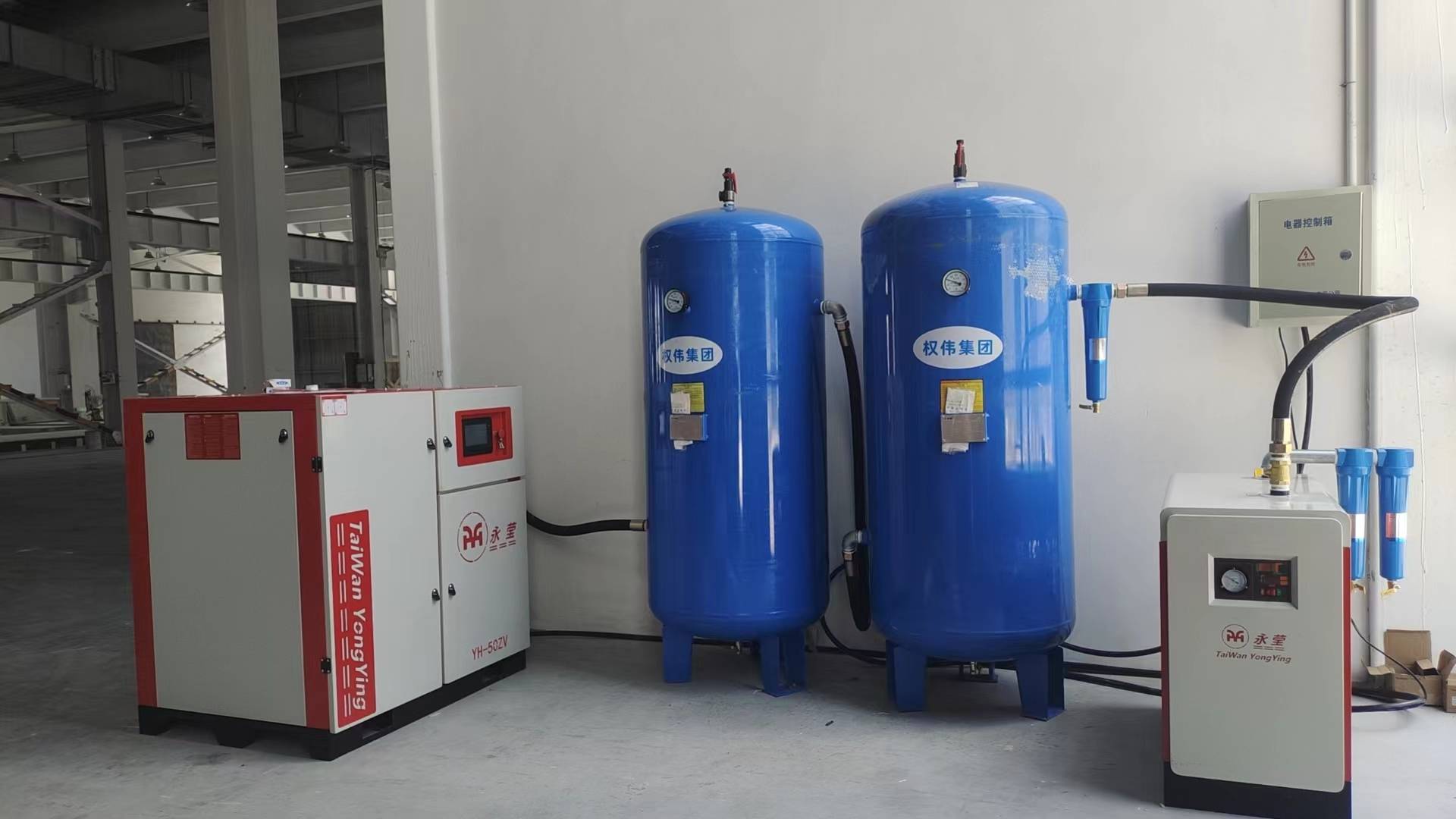
1. Regularly Check & Replace Lubricating Oil: The "Blood" of the Compressor
Lubricating oil is like the "blood" of a screw air compressor, responsible for reducing friction, cooling components, and sealing air. Using expired or low-quality oil will cause severe wear to rotors and bearings, leading to increased noise and reduced efficiency.
Maintenance tips: For oil-injected compressors, regularly check the oil level and quality—if the oil turns black or has impurities, replace it immediately. QuanWei Machinery reminds: Always use professional lubricating oil matching QuanWei products, as mismatched oil will damage the compressor’s internal structure. For oil change intervals, you can consult QuanWei’s after-sales team according to the actual operating conditions.
2. Clean Air Filters Timely: Ensure Smooth Air Intake
The air filter is the first line of defense against dust and impurities. If it’s clogged by dust, the compressor will need to work harder to draw in air, increasing energy consumption and even causing overheating. In dusty workshops or outdoor environments, the filter gets clogged faster and requires more frequent checks.
Maintenance tips: Regularly clean the air filter element according to the actual working environment (use compressed air to blow from the inside out). Replace the filter element in a timely manner when it is severely clogged or the air intake efficiency is significantly reduced. QuanWei’s professional team suggests: For high-dust scenarios, matching QuanWei’s dedicated pre-filter can effectively reduce the load on the main filter and ensure stable air intake.
3. Drain Condensed Water Regularly: Avoid Corrosion & Air Pollution
During the compression process, air condenses into water droplets, which accumulate in the tank and pipelines. If not drained in time, the water will corrode the compressor’s internal components and contaminate the compressed air, affecting product quality (especially in food and pharmaceutical industries).
Maintenance tips: Drain the condensed water at the bottom of the tank regularly. For factories with 24/7 operation, choosing models with automatic drains is more reliable. QuanWei’s medium and large compressors are equipped with intelligent automatic drain systems, which can automatically discharge condensed water and avoid manual omissions.
4. Monitor Operating Temperature & Pressure: Prevent Overload Operation
Abnormal temperature or pressure is a sign of potential faults. If the compressor runs at high temperatures for a long time, it will accelerate the aging of components; unstable pressure may indicate problems with the pressure relief valve or frequency converter.
Maintenance tips: Regularly check the temperature gauge and pressure gauge during operation. If abnormal values occur, stop the machine immediately for inspection. QuanWei reminds: For QuanWei frequency conversion models, pay attention to the frequency fluctuation range—excessive fluctuation may mean mismatched load, and parameters should be adjusted under the guidance of QuanWei’s professional technical team.
5. Professional Regular Overhaul: Catch Faults Early
Daily maintenance is essential, but professional regular overhaul is also necessary to detect potential faults in advance. Professional technicians can check internal components (such as rotors, bearings, and seals) that are not easily accessible during daily inspections.
Maintenance tips: Conduct regular professional overhauls. QuanWei Machinery provides customized maintenance plans for different models based on actual operating conditions, with professional technical guidance to ensure the compressor operates in the best condition.
In conclusion, air compressor maintenance is not complicated—consistency is the key. By doing a good job in daily checks and regular overhauls, you can significantly extend the service life of the equipment, reduce energy consumption and maintenance costs, and ensure stable production. If you have questions about maintenance of specific QuanWei models, you can consult QuanWei Machinery’s professional after-sales team at any time to get targeted solutions.
This is the WhatsApp QR code. You can obtain more information by email or adding me as a WhatsApp contact.Welcome to consult us for any questions!
+WhatsApp:+86 18913182127
+WeChat:18913182127
E-mail:z17394000986@163.com
Could you please inform me of the following basic parameters in the email so that I can provide you with a better quotation:
• Voltage
• Frequency (Hz)
• Motor Power
• Pressure
• Flow Rate





 شبكة IPv6 المدعومة